Introduction: Electrical Emergencies Happen Without Warning
Electrical emergencies rarely happen at a convenient time. One moment your home is running smoothly, and the next, the lights go out, a circuit breaker trips, or an outlet sparks. For Brisbane homeowners, these situations are not only inconvenient—they can be dangerous.
Understanding what to check, what to avoid, and when to call a professional can prevent accidents, damage, and unnecessary stress. This guide will walk you through safe steps, common causes of power outages, and why a licensed emergency electrician is your best ally.
1. Common Causes of Power Loss in Brisbane Homes
Electrical outages or faults in Brisbane homes can be caused by:
- Grid outages: Storms, planned maintenance, or unexpected faults in the local electricity network.
- Overloaded circuits: Using too many high-powered appliances at once can trip breakers.
- Faulty appliances: A malfunctioning fridge, oven, or air conditioner can cause repeated trips.
- Ageing wiring and switchboards: Older properties often have outdated electrical systems prone to failure.
- Storm-related damage: Lightning strikes, water ingress, or fallen tree branches can damage outdoor cabling and property wiring.
Understanding the cause is crucial because the correct action differs depending on whether it’s a network issue, appliance fault, or home wiring problem.
2. Power Outage: What to Check First (Safely)
If the power goes out:
- Check neighbours: Are they experiencing the same outage? If yes, it’s likely a grid issue.
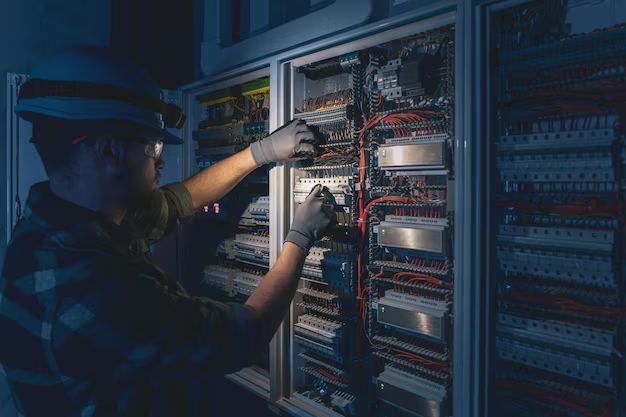
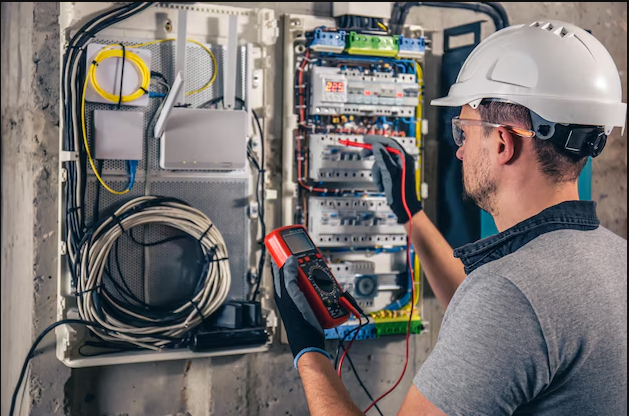
- Inspect your switchboard: Look for tripped breakers or safety switches. Reset only once.
- Avoid repeated resets: If the breaker trips again, stop. Repeated resets can worsen electrical faults.
- Identify affected areas: Partial power loss may indicate a home wiring problem rather than a network outage.
Safety tip: Never touch exposed wires or water-damaged outlets. If in doubt, call a licensed emergency electrician.
3. Fuse Box Tripping: Understanding the Warning Signs
Fuse box tripping or circuit breaker trips are designed to protect your home. Common causes include:
- Overloaded circuits from multiple appliances running simultaneously
- Faulty or damaged appliances
- Wiring faults or loose connections
- Moisture intrusion or rodent damage
Ignoring repeated trips can result in fire hazards, appliance damage, or electrical shocks. Repeated tripping is a clear signal that professional assessment is needed.
4. Electrical Emergencies That Require Immediate Action
Certain situations demand urgent intervention:
- Burning smells or smoke from outlets: Could indicate overheating wiring.
- Sparking switchboards or outlets: Immediate fire hazard.
- Partial power loss in parts of the home: Suggests localized electrical fault.
- Buzzing or crackling sounds from switches: Could indicate loose connections.
- Electric shocks from appliances or switches: Extremely dangerous; stop using the device immediately.
These emergencies should never be ignored or left until morning—your safety and property are at risk.
5. Electric Shock Safety: What to Do
If someone suffers an electric shock:
- Turn off power at the main switchboard if it is safe to do so.
- Do not touch the person if they are still in contact with the electrical source.
- Call emergency services immediately if there is any injury.
- Once safe, contact a licensed emergency electrician to inspect and fix the fault.
Remember, water and electricity are a deadly combination—never attempt to retrieve someone from an electrical source with bare hands.
6. What NOT to Do During an Electrical Emergency
- Do not attempt DIY repairs on live circuits.
- Avoid using extension cords as temporary fixes.
- Do not repeatedly reset a tripped safety switch without knowing the cause.
- Never touch water-affected appliances or switches.
These actions may worsen the problem or lead to serious injury.
7. When to Call a 24-Hour Electrician in Brisbane
Certain situations require immediate professional attention, even outside standard working hours:
- Sparking outlets or switchboards
- Burning smells or smoke
- Repeated circuit breaker trips
- Electrical faults after storms or water damage
- Electric shocks from home appliances
A licensed emergency electrician Brisbane residents trust can safely diagnose and repair faults, protecting both your home and your family.
8. Why Hiring a Licensed Emergency Electrician Matters
Queensland law requires electrical work to be completed by licensed professionals. Licensed electricians:
- Follow safety and compliance standards
- Carry insurance for property and liability protection
- Diagnose and fix electrical faults accurately
- Prevent further damage and reduce the risk of repeat outages
Using unlicensed help is illegal and can void home insurance, creating far greater risks than any potential cost savings.
9. How Emergency Electricians Diagnose & Fix Faults
A licensed emergency electrician will:
- Quickly identify whether the fault is internal or network-related
- Safely isolate and repair faulty wiring or appliances
- Test and certify the electrical system for compliance
- Provide advice on preventative measures
This ensures long-term reliability, safety, and peace of mind.
10. Preventing Future Electrical Emergencies
Preventative measures include:
- Regular electrical inspections by licensed electricians
- Upgrading old switchboards and wiring
- Checking appliances for damage or wear
- Managing household electrical load, especially during peak usage
- Installing surge protectors to prevent damage from lightning or spikes
Proactive maintenance can dramatically reduce the likelihood of unexpected emergencies.
11. Preparing Your Household for Electrical Emergencies
Being prepared is key:
- Know your switchboard location and label circuits clearly
- Keep emergency lighting and torches accessible
- Teach household members basic safety steps
- Have a licensed emergency electrician’s contact on hand
Small preparation steps can prevent panic and keep your family safe during an unexpected outage.
Final Thoughts
Electrical emergencies are unpredictable, but understanding what to do—and when to call a professional—can prevent accidents and damage. Brisbane homeowners should prioritise licensed 24-hour emergency electricians for safety and peace of mind. Preparation, quick action, and professional expertise make all the difference when the lights go out.
Frequently Asked Questions
What should I check first during a power outage?
Check if neighbours are affected, then inspect your switchboard for tripped breakers.
Why does my fuse box keep tripping?
Usually due to overloaded circuits, faulty appliances, or wiring problems.
When should I call an emergency electrician?
Any time there’s sparking, burning smells, electric shocks, repeated trips, or storm damage.
Is it safe to reset a safety switch repeatedly?
No. Repeated resets can worsen electrical faults and increase fire risk.
What should I do if someone receives an electric shock?
Turn off the power if safe, do not touch them, call emergency services immediately, and contact a licensed electrician.
Can electrical issues wait until business hours?
Minor issues may wait, but most faults, especially repeated trips or sparks, require immediate attention.
Why must emergency electrical work be done by a licensed electrician?
Licensed electricians ensure safety, compliance, and insurance protection under Queensland law.
Recent Posts