
Why Air Conditioning Systems Develop Performance Issues
Air conditioning repairs are a normal part of owning and maintaining an air conditioning system. Over time, components wear down, airflow can become restricted, and electrical parts may stop functioning as expected. When these situations arise, a licensed electrician plays an important role in identifying the cause and ensuring the system operates safely and efficiently.
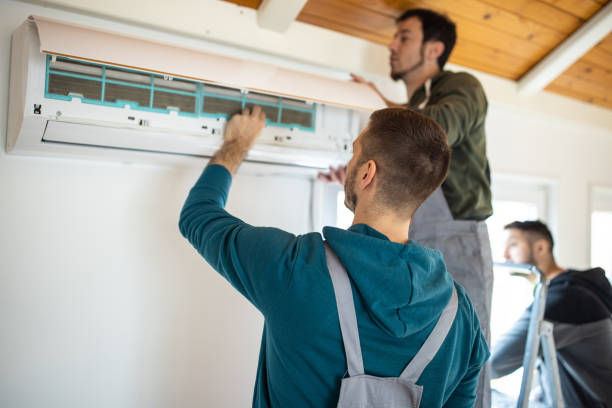
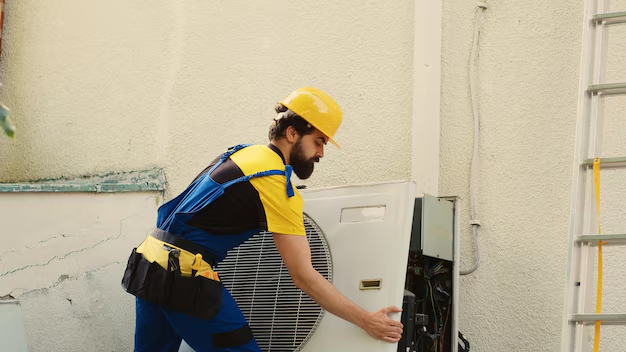
At TKS Electrical and Air, licensed electricians assess a wide range of residential and commercial air conditioning concerns. This article explains five common air conditioning repairs and outlines how a qualified professional diagnoses each one before repairs begin.
Reduced Cooling Caused by Refrigerant Leaks
Refrigerant is essential for the cooling process. When levels drop due to a leak, the system struggles to remove heat from indoor air. As a result, cooling performance decreases, and energy usage often increases.
Licensed electricians diagnose refrigerant-related issues by checking system pressure and inspecting coils, joints, and valves. Detection tools are used to locate leaks that are not visible. Once identified, the source of the leak is addressed before correcting refrigerant levels.
Accurate diagnosis ensures the system is restored to proper operation rather than temporarily improving performance.
Ice Formation on Evaporator Coils
Evaporator coils absorb heat from indoor air. When these coils freeze, airflow becomes restricted, and the system cannot cool effectively. Ice formation is commonly linked to poor airflow, low refrigerant levels, or prolonged system strain.
Licensed electricians diagnose frozen coils by inspecting the evaporator unit, checking airflow through vents, and confirming refrigerant levels. Identifying the underlying cause prevents recurring ice buildup and protects internal components.
Inaccurate Temperature Control from Thermostat Faults
The thermostat controls when and how the air conditioning system operates. If it becomes inaccurate or stops functioning correctly, the system may cycle too often, run longer than necessary, or fail to reach the desired temperature.
Diagnosis involves testing thermostat accuracy, inspecting wiring, and confirming proper communication with the air conditioning unit. In some cases, recalibration resolves the issue. In others, replacement may be required.
Licensed electricians ensure thermostat-related issues are addressed correctly for consistent temperature control.
Restricted Airflow Due to Dirty or Blocked Filters
Air filters help maintain airflow and indoor air quality. When filters become clogged, airflow is restricted, and the system must work harder to cool the space.
Licensed electricians inspect filter conditions and assess airflow levels during diagnosis. Restricted airflow can lead to uneven cooling and increased wear on system components. Cleaning or replacing filters restores airflow and supports efficient operation.
Electrical Faults Affecting System Performance
Electrical faults can prevent an air conditioning system from operating reliably. These situations may involve tripped circuit breakers, worn wiring, faulty capacitors, or motor-related concerns.
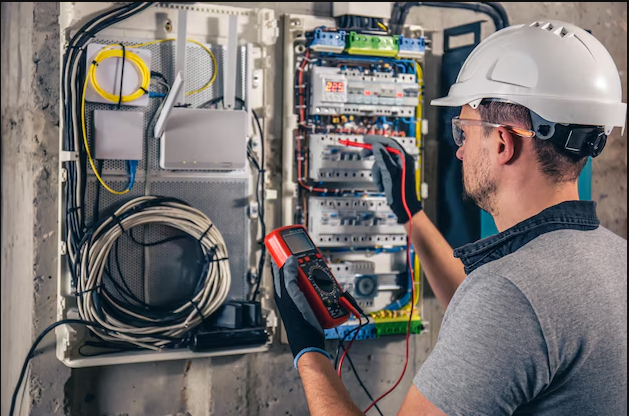
Licensed electricians diagnose electrical issues by testing voltage levels, inspecting connections, and checking internal components. Proper diagnosis ensures electrical faults are resolved safely and reduces the risk of further damage.
Summary of Common Air Conditioning Issues and Diagnostic Methods
| Issue | Common Symptoms | How a Licensed Electrician Diagnoses It | Typical Outcome |
| Refrigerant leaks | Weak cooling, extended run times | Pressure testing and leak detection | Leak repair and system correction |
| Frozen evaporator coils | Reduced airflow, ice buildup | Airflow inspection and coil assessment | Restored airflow and system balance |
| Thermostat faults | Uneven temperatures, frequent cycling | Accuracy testing and wiring checks | Calibration or replacement |
| Dirty air filters | Poor airflow, dust accumulation | Filter inspection and airflow measurement | Filter cleaning or replacement |
| Electrical faults | System not starting or stopping | Electrical testing and inspection | Component repair or replacement |
Final Thoughts on Diagnosing Air Conditioning Issues
Air conditioning repairs are necessary when systems do not operate as expected. Situations such as refrigerant leaks, frozen coils, thermostat faults, airflow restrictions, and electrical concerns require accurate diagnoses to ensure long-term reliability.
Licensed electricians from TKS Electrical and Air follow a structured approach to identifying air conditioning issues and restoring safe operation. If your system is showing signs of reduced performance, contact us today to arrange a professional inspection.
Frequently Asked Questions About Air Conditioning Repairs
How often should air conditioning systems be inspected?
Regular inspections, typically once or twice a year, help maintain performance and identify issues early.
Why is professional diagnosis important for air conditioning repairs?
Professional diagnoses ensure the root cause is identified rather than only addressing surface symptoms.
Can airflow restrictions impact system lifespan?
Yes, restricted airflow increases strain on components and can shorten system lifespan.
Are electrical faults in air conditioning systems dangerous?
Electrical faults can pose safety risks and should always be handled by licensed electricians.
What are the benefits of licensed electricians diagnosing air conditioning issues?
Licensed electricians are trained to safely identify and resolve both electrical and mechanical concerns.
Recent Posts